What Causes Cerebral Palsy During Pregnancy?
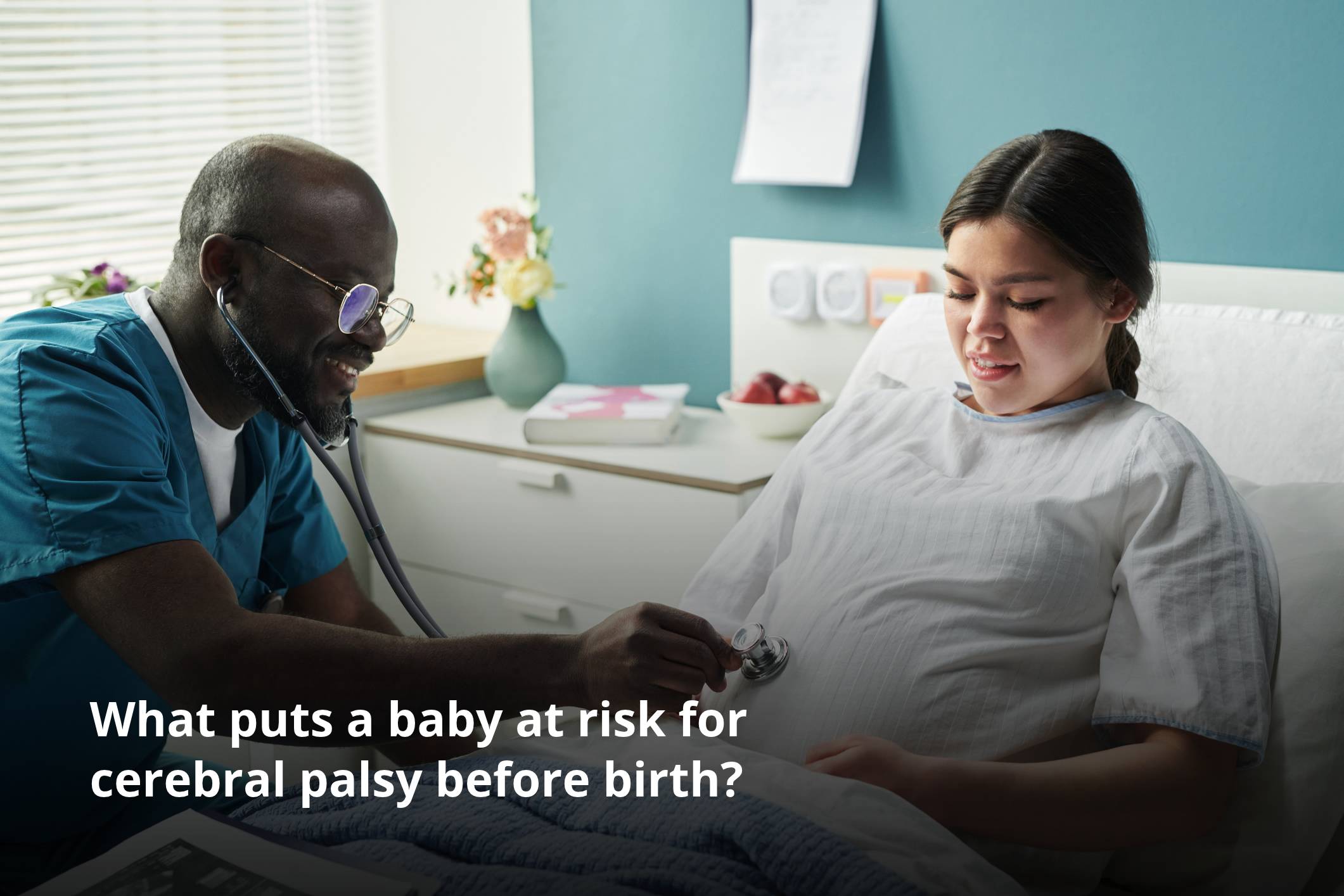
Most parents rely on their prenatal appointments to make sure their baby is healthy and developing as expected. But when a child is diagnosed with cerebral palsy, they may discover that the brain damage occurred months before birth, during a pregnancy their doctor said was progressing normally.
That discovery brings up questions about the care they received. What happens if an obstetrician misses signs that a baby isn't getting enough oxygen? Or an infection goes untreated despite abnormal test results?
Parents want to understand what causes cerebral palsy during pregnancy and if their doctor failed to recognize or treat a condition that put their baby at risk.
Here are five causes of cerebral palsy during pregnancy and what parents should know about the medical care that might have prevented their child's condition.
At Hodes Milman, we investigate cerebral palsy cases involving missed diagnoses, delayed treatment, and negligent prenatal care. Call (949) 640-8222 or contact us online for a free consultation.
5 Causes of Cerebral Palsy During Pregnancy
1. Infections During Pregnancy
An infection during pregnancy can harm a baby's developing brain, even if the mother feels healthy. Infections associated with cerebral palsy include:
- Cytomegalovirus (CMV): A common virus that can cause hearing loss and brain damage.
- Rubella: A viral infection that can interfere with fetal brain development.
- Toxoplasmosis: A parasitic infection that can damage the brain and eyes.
- Chorioamnionitis: An infection of the membranes surrounding the baby that can cause serious inflammation.
Doctors use prenatal screening and laboratory tests to identify infections. Missed diagnoses or delayed treatment can leave a baby exposed to an infection that threatens brain development.
2. Problems With the Placenta and Oxygen Supply
The placenta delivers oxygen and nutrients to your baby. If it isn't working properly, your baby may not receive enough oxygen for healthy brain development.
Two complications include:
- Placental insufficiency: The placenta cannot deliver enough oxygen and nutrients, slowing fetal growth.
- Restricted blood flow: Poor circulation reduces oxygen reaching the baby's brain. Severe deprivation can cause hypoxic-ischemic encephalopathy (HIE), a brain injury associated with cerebral palsy.
Ultrasounds and blood-flow studies help detect these problems. If testing shows poor fetal growth or reduced circulation, doctors need to investigate and determine if additional care or early delivery is necessary.
3. Premature Birth
Babies born prematurely have a higher risk of cerebral palsy because their brains are still developing. Those born before 32 weeks face the greatest risk.
Premature babies are vulnerable to:
- Bleeding in the brain: Fragile blood vessels can rupture and damage surrounding tissue.
- White matter damage: Injury to brain tissue responsible for communication between different regions can affect movement and coordination.
Premature birth isn't always preventable, but magnesium sulfate given before certain anticipated premature births can reduce the risk of cerebral palsy.
If a doctor fails to recognize premature labor or delays indicated treatment, a baby may lose the benefit of protective care.
4. Complications During a Twin Pregnancy
Twins face higher risks of premature birth, poor fetal growth, and placental problems. Twins sharing a placenta have an additional concern because their blood circulation is connected.
Twin-to-twin transfusion syndrome (TTTS) occurs when blood flows unevenly between the babies. Severe cases can cause brain damage or threaten both babies' lives.
Warning signs on prenatal ultrasounds include:
- Differences in the babies' growth
- Unequal amounts of amniotic fluid
- Abnormal blood-flow measurements
Hodes Milman obtained a $6 million recovery for a twin who developed spastic quadriparetic cerebral palsy following serious growth and blood-flow problems. The lawsuit involved inadequate prenatal monitoring and missed warning signs.
5. Abnormal Brain Development
Cerebral palsy can develop when a baby's brain doesn't form as expected during pregnancy, affecting movement, balance, and muscle coordination.
Possible causes include:
- Genetic changes: Certain gene changes affect brain development before birth.
- Structural brain abnormalities: Parts of the brain develop differently, interfering with movement and muscle function.
These conditions can occur without medical negligence. Brain imaging, genetic testing, and developmental history help doctors investigate the cause.
Did your prenatal records show warning signs that your doctor missed? Hodes Milman investigates cerebral palsy cases involving delayed diagnoses and negligent prenatal care. Call (949) 640-8222 or contact us online for a free consultation.
What Warning Signs Should Doctors Have Recognized During Pregnancy?
Prenatal testing helps doctors detect problems with a baby's growth and development. Warning signs include:
- Slow fetal growth: Ultrasounds show the baby is smaller than expected or growing too slowly.
- Abnormal blood flow: Doppler studies show reduced circulation through the placenta.
- Signs of infection: Maternal fever, abdominal pain, or abnormal laboratory results.
- Reduced fetal movement: A noticeable decrease in the baby's usual movements.
- Twin pregnancy complications: Differences in growth or amniotic fluid levels.
For parents researching how to prevent cerebral palsy during pregnancy, prenatal monitoring is an important place to start. Doctors need to recognize warning signs, order additional testing when necessary, and respond quickly to complications that threaten a baby's developing brain.
Can Cerebral Palsy Be Detected Before Birth?
Most children receive a cerebral palsy diagnosis after birth, when delays in movement or muscle control become noticeable.
Prenatal ultrasound and fetal MRI can identify certain brain abnormalities, but these tests cannot reliably diagnose cerebral palsy before delivery.
Doctors may identify problems that increase the risk factors for cerebral palsy without knowing the child will develop cerebral palsy. Restricted fetal growth caused by poor placental circulation, for example, still needs medical evaluation even without a cerebral palsy diagnosis.
How Do Parents Find Out If Negligence Caused Their Child's Cerebral Palsy?
Prenatal and delivery records provide the starting point. Ultrasound reports, laboratory findings, appointment notes, and hospital records document the treatment the mother and baby received.
Medical experts review these records to determine if the care fell below accepted standards and caused the child's injury.
Problems during childbirth are also examined. Hodes Milman obtained a $5.7 million settlement after nurses continued administering Pitocin despite fetal distress and waited over an hour to notify the obstetrician. The baby suffered severe brain damage from oxygen deprivation.
What Does a Cerebral Palsy Claim Cover?
Children with cerebral palsy may need years of therapy, specialized equipment, and assistance with everyday activities. Those with severe disabilities may need lifelong care.
A cerebral palsy malpractice claim seeks compensation for:
- Medical treatment and rehabilitation
- Physical, occupational, and speech therapy
- Wheelchairs and communication devices
- Home and vehicle modifications
- In-home assistance and long-term care
- Other recoverable losses under California law
Future care expenses are calculated using the child's diagnosis, treatment needs, and expected level of independence.
Talk to Hodes Milman About Your Child's Cerebral Palsy
Parents aren't always told exactly why their child developed cerebral palsy. If your pregnancy involved an untreated infection, poor fetal growth, placental problems, or delayed treatment, a review of the medical records may identify errors that contributed to the injury.
Hodes Milman has recovered over $400 million for clients harmed by medical negligence, including families affected by serious birth injuries.
Call (949) 640-8222 or contact us online for a free consultation.








Dan Hodes treated me like a human being, not just another client. He showed me he cared by how hard he worked on my case.
My daughter was born with a disability due to doctor neglect. I emailed over 200 lawyers over a 2 year time span. I had ONE lawyer believe in my case and he worked with Jeff Milman over the next year helping build my case. Jeff won my case and I cannot thank him enough for believing in me!! He was so pleasant to work with and professional. I will forever be thankful to him and his team!
They are friendly and honest and fought for what they believed was best in our interest.
Proudly Representing California Residents
Your life changed in an instant. Getting justice shouldn’t wait. Connect with Hodes Milman today and put a proven team to work on your case.