California Hypoxic-Ischemic Encephalopathy (HIE) Lawyer
Take advantage of our free, private case review offer. Simply fill out the form or call us at (949) 640-8222 to schedule your consultation.
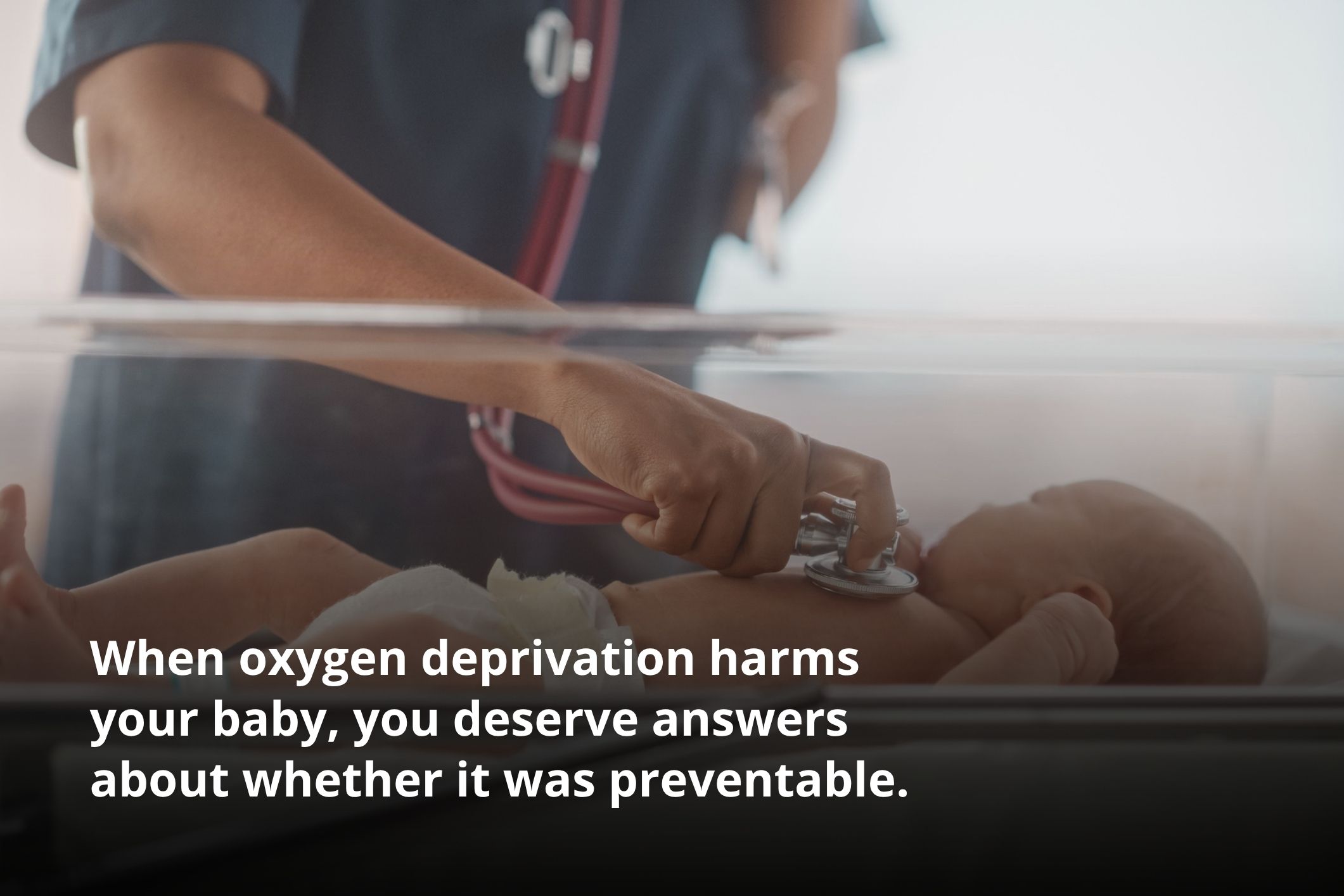





A diagnosis of hypoxic-ischemic encephalopathy, or HIE, means your baby's brain did not receive enough oxygen or blood. For parents, the first days after an HIE diagnosis may revolve around the NICU, testing, treatment, and trying to understand what the diagnosis means for their child's future.
When the diagnosis follows complications during pregnancy, labor, delivery, or newborn care, parents understandably want to know:
Was this preventable?
Hodes Milman represents California families in complex birth injury and medical malpractice cases. A California HIE lawyer from our team will review the medical care surrounding your child's injury and investigate whether doctors, nurses, a hospital, or another healthcare provider failed to respond appropriately.
If your child was diagnosed with HIE and you have questions about the care provided during pregnancy, labor, delivery, or after birth, call Hodes Milman at (949) 694-3954 for a free consultation. You can also reach our medical malpractice team online.
“No parent should have to fight for justice while caring for an injured child, but too often, that’s exactly what happens. Families deserve accountability when medical mistakes cause harm.”

What Is Hypoxic-Ischemic Encephalopathy?
Hypoxic-ischemic encephalopathy is a brain injury caused by insufficient oxygen and blood flow to the brain. In newborns, the injury generally occurs before, during, or shortly after birth.
HIE is also referred to as neonatal encephalopathy, birth asphyxia, or perinatal asphyxia in certain medical contexts. The extent of injury varies. A brief disruption in oxygen might result in a different outcome than a prolonged period of oxygen deprivation.
Doctors evaluate newborns for signs of neurological injury and other complications. HIE sometimes affects more than the brain because oxygen deprivation also places stress on the heart, kidneys, liver, and other organs.
What Causes HIE in Infants?
HIE has several possible causes. The underlying problem is an interruption or significant reduction in the oxygen and blood reaching the baby's brain.
Events associated with HIE include:
- Placental abruption, when the placenta separates from the uterus before delivery
- Umbilical cord compression or prolapse
- Uterine rupture
- Prolonged or difficult labor
- Abnormal fetal heart rate patterns
- Excessive uterine contractions
- Maternal hemorrhage or severe blood loss
- Maternal hypotension
- Preeclampsia and other pregnancy complications
- Problems with the baby's airway or breathing after delivery
- Failure to perform a timely C-section when fetal distress requires delivery
An HIE diagnosis alone is not proof of medical malpractice. A birth injury case examines the care provided and whether a medical error caused or worsened the brain injury.
What Are the Signs of HIE?
Signs sometimes appear during labor before the baby is born. Fetal heart monitoring provides information about how the baby is tolerating labor, and certain patterns require evaluation and an appropriate clinical response.
After delivery, signs associated with neonatal HIE include:
- Low Apgar scores
- Difficulty breathing
- Seizures
- Poor muscle tone
- Weak or absent reflexes
- Reduced alertness or responsiveness
- Feeding difficulties
- Abnormal heart rate
- Organ dysfunction
Doctors use the baby's clinical condition along with testing such as blood work, EEG monitoring, and brain imaging to evaluate suspected HIE.
Parents sometimes receive the diagnosis quickly in the NICU. In other cases, developmental problems become clearer as the child grows.
What Treatment Is Available for HIE?
For eligible newborns with moderate to severe HIE, therapeutic hypothermia, also called cooling therapy, is an important treatment. The baby's body temperature is carefully lowered for approximately 72 hours under close medical supervision.
Timing is critical. Cooling therapy is generally started within the first six hours after birth for newborns who meet treatment criteria.
Cooling therapy cannot undo the initial brain injury. Its purpose is to reduce additional damage following the oxygen-deprivation event.
A newborn with HIE might also require:
- Respiratory support
- Seizure medication
- Blood pressure management
- IV fluids and nutritional support
- Continuous neurological monitoring
- MRI or other brain imaging
- Treatment for kidney, liver, heart, or other organ problems
After leaving the hospital, children with neurological injuries typically receive developmental monitoring and follow-up care from specialists.
What Are the Long-Term Effects of HIE?
The long-term effects of HIE differ significantly from child to child. Children with mild injuries sometimes have few lasting problems, while severe brain injuries result in extensive physical, cognitive, and developmental disabilities.
Possible long-term effects include:
- Cerebral palsy
- Epilepsy and seizure disorders
- Developmental delays
- Intellectual disabilities
- Problems with speech and language
- Vision or hearing impairment
- Difficulty walking or controlling movement
- Feeding and swallowing problems
- Learning disabilities
- Behavioral or attention difficulties
A child with a significant brain injury might require physical, occupational, and speech therapy, mobility equipment, special education, home modifications, personal care assistance, and ongoing medical treatment.
Those future needs become important in a medical malpractice case because compensation should account for the care associated with the child's injury throughout life, not only the expenses incurred shortly after birth.
When Is HIE the Result of a Medical Mistake?
A medical malpractice claim focuses on whether a healthcare provider failed to recognize or respond appropriately to a problem and whether that failure contributed to the baby's injury.
Examples include:
- Failing to recognize signs of fetal distress
- Failing to respond appropriately to abnormal fetal heart monitoring
- Delaying a medically necessary C-section
- Improper administration or monitoring of Pitocin
- Failing to recognize excessive uterine contractions
- Failing to respond to an umbilical cord emergency
- Mismanaging a high-risk pregnancy
- Failing to address maternal bleeding or blood-pressure problems
- Delaying resuscitation after birth
- Failing to evaluate a newborn promptly for cooling therapy
These cases require a detailed review of prenatal records, fetal monitoring strips, medication records, nursing notes, delivery records, newborn resuscitation records, imaging, laboratory results, and NICU records.
A California HIE attorney also works with qualified medical experts to evaluate whether the care met the applicable standard and whether different medical action would have changed the outcome.
Parents are rarely in a position to know from the medical chart alone whether an injury was preventable. Fetal monitoring records, medication timing, nursing notes, delivery decisions, and NICU care need to be evaluated together.
Hodes Milman has handled California birth injury cases involving HIE and other serious hypoxic brain injuries. Call (949) 694-3954 to tell us what happened, or send us a message to have our attorneys review the circumstances surrounding your child's injury.
What Kind of Damages Are Available in an HIE Lawsuit?
A serious birth injury creates expenses that extend well beyond the initial hospitalization. Compensation in a medical malpractice case is intended to address losses caused by the negligent care.
Depending on the circumstances, damages could address:
- Past and future medical treatment
- Physical, occupational, and speech therapy
- Medications and medical equipment
- In-home care and personal assistance
- Special education and educational support
- Home or vehicle modifications
- Lost earning capacity
- Pain and suffering
- Other economic losses associated with the child's disability
Determining future costs is a significant part of a severe HIE case. Life-care planners, physicians, economists, vocational experts, and other professionals help determine the services, equipment, treatment, and assistance a child will require as they grow.
Hodes Milman has obtained significant recoveries in birth injury cases involving oxygen deprivation, including:
- $7.9 million settlement for an infant who developed HIE after fetal distress was not appropriately addressed
- $5 million settlement involving uterine rupture and hypoxic brain injury
- $4.25 million settlement involving HIE following prolonged labor and allegations of excessive Pitocin administration
Past results do not guarantee the outcome of another case. According to a Martindale-Nolo Research survey, more than nine out of 10 respondents represented by an attorney received compensation. Even after attorney fees, their average net payouts were nearly three times higher than those of respondents who handled their claims without a lawyer.
California NICUs That Treat Babies With HIE
Newborns with moderate or severe HIE generally require treatment in a Level III or Level IV neonatal intensive care unit (NICU) equipped for critically ill infants.
California has major neonatal centers throughout the state, including programs associated with:
- Children's Hospital Los Angeles
- Children's Hospital of Orange County (CHOC)
- UCLA Mattel Children's Hospital
- UCSF Benioff Children's Hospitals
- Stanford Medicine Children's Health
- Rady Children's Hospital-San Diego
- UC Davis Children's Hospital
A baby might be transferred from the hospital where they were born to a higher-level NICU for therapeutic hypothermia, neurological monitoring, respiratory support, or other specialized care.
A transfer to another hospital is a routine part of care when a newborn needs services unavailable at the birth hospital. In a malpractice investigation, the timing of the baby's symptoms, recognition of HIE, decision to transfer, and initiation of treatment become part of the medical timeline.
Does HIE Affect Adults?
HIE is primarily associated with newborn brain injuries, although severe oxygen deprivation also causes hypoxic-ischemic brain injuries in older children and adults.
Causes include:
- Cardiac arrest
- Near-drowning
- Carbon monoxide poisoning
- Drug overdose
- Stroke
- Severe respiratory failure
- Head trauma
The legal issues in an adult hypoxic brain injury case differ from those involving a newborn. If medical negligence contributed to the oxygen deprivation, the records surrounding the emergency, monitoring, treatment, and response require careful review.
How Do California Hypoxic-Ischemic Encephalopathy Lawyers Investigate a Case?
Birth injury litigation requires more than confirming that a child has HIE. The medical records must establish what happened before the oxygen deprivation, how healthcare providers responded, and whether earlier or different treatment would have prevented or reduced the injury.
Our investigation typically involves:
- Obtaining prenatal, labor, delivery, and NICU records
- Reviewing fetal monitoring strips
- Examining Pitocin and other medication records
- Establishing a detailed labor and delivery timeline
- Reviewing newborn resuscitation and Apgar records
- Examining MRI, EEG, and laboratory findings
- Consulting qualified medical experts
- Evaluating the child's long-term medical and support needs
- Taking testimony from healthcare providers and other witnesses
- Preparing the case for settlement negotiations or trial
A California Hypoxic-Ischemic Encephalopathy attorney also has to account for California's medical malpractice laws and filing requirements when evaluating the claim.
Dan Hodes Discusses Complex Medical Malpractice Litigation
Medical malpractice cases require attorneys to understand complicated medical records and explain those issues clearly to a judge, jury, or opposing party.
Dan Hodes discussed that work on the Cases 4 Causes podcast in an episode devoted to complex medical malpractice litigation. The conversation covers his plaintiffs' trial practice and experience representing patients and families in high-stakes medical negligence cases.
Dan and his longtime law partner, Jeff Milman, were both inducted into the Orange County Trial Lawyers Hall of Fame in 2022.
Listen to the Cases 4 Causes Episode with Dan Hodes
How Long Do You Have to File an HIE Lawsuit in California?
California medical malpractice claims are subject to strict filing deadlines, and claims involving injured children have additional rules.
The applicable deadline depends on factors including the child's age, when the injury occurred, when it was discovered, and the healthcare providers or institutions involved. Claims involving public hospitals or government healthcare entities also involve separate notice requirements and shorter deadlines.
Parents should have the timing reviewed promptly rather than assuming they have until their child turns 18.
A California HIE attorney will determine which deadlines apply to the child's claim and whether any special procedural requirements must be completed before a lawsuit is filed.
Why Families Choose Hodes Milman for HIE Cases
HIE cases require substantial medical knowledge, expert testimony, and the resources to establish both how the injury occurred and what the child will need throughout life.
Hodes Milman has decades of experience representing patients and families in complex California medical malpractice litigation. Dan Hodes has practiced medical malpractice law for nearly 40 years, and the firm's case results include multimillion-dollar recoveries involving HIE, fetal distress, delayed C-sections, excessive Pitocin, and other birth injuries.
For families comparing California Hypoxic-Ischemic Encephalopathy lawyers, experience with actual HIE litigation is an important consideration. These cases involve fetal monitoring, obstetric decision-making, neonatal medicine, neurological injuries, life-care planning, and California medical malpractice law.
Your focus should be on your child. Our job is to investigate the medical care, work with the appropriate experts, and prepare the legal case.
Talk to Hodes Milman About Your Child's HIE Diagnosis
If your child's HIE followed complications during pregnancy, labor, delivery, or newborn care, you deserve answers about what happened.
Our attorneys will review the medical history and determine whether the circumstances warrant further investigation. If negligence caused your child's brain injury, we will pursue compensation for the medical care, therapy, support, and other losses associated with that injury.
Talk with a California HIE lawyer at Hodes Milman about your family's legal options. Call (949) 694-3954 or schedule your free consultation online.
Proudly Representing California Residents


Dan Hodes treated me like a human being, not just another client. He showed me he cared by how hard he worked on my case.
My daughter was born with a disability due to doctor neglect. I emailed over 200 lawyers over a 2 year time span. I had ONE lawyer believe in my case and he worked with Jeff Milman over the next year helping build my case. Jeff won my case and I cannot thank him enough for believing in me!! He was so pleasant to work with and professional. I will forever be thankful to him and his team!
They are friendly and honest and fought for what they believed was best in our interest.
California HIE Lawsuit FAQs

No. Bring or provide whatever records you already have. An attorney handling the case will identify the additional prenatal, hospital, fetal monitoring, delivery, imaging, and NICU records needed for the investigation.
Even the names of the hospitals and healthcare providers involved and a basic timeline of the pregnancy and delivery provide a useful starting point.
Fetal heart monitoring records show how the baby's heart rate changed during labor and how the baby responded to contractions.
In an HIE case, medical experts review the strips alongside nursing notes, medication administration, maternal vital signs, and delivery records. The timing helps determine when signs of distress appeared and how healthcare providers responded.
A low Apgar score can alert the medical team that a newborn needs immediate attention, but it is not enough by itself to diagnose HIE or establish how an injury occurred.
Doctors consider the score alongside the labor history, fetal monitoring, resuscitation, blood-gas results, neurological findings, imaging, and other clinical information.
Look for an attorney with substantial medical malpractice trial experience and specific experience handling birth injuries involving oxygen deprivation.
Ask about previous HIE cases, access to obstetric and neonatal experts, experience evaluating lifetime care costs, and whether the firm has the resources to take a complex case through trial.
Hodes Milman's case history includes multimillion-dollar HIE and hypoxic brain injury recoveries, and founding partners Dan Hodes and Jeff Milman were inducted into the Orange County Trial Lawyers Hall of Fame in 2022.
A case might resolve through settlement, mediation, or trial. The path depends on whether the healthcare providers dispute negligence, causation, the child's future needs, or the amount of compensation.
Preparing the case thoroughly for trial also gives the attorneys the evidence and expert support needed during settlement negotiations.
Higher-level NICUs provide specialized services that smaller birth hospitals might not offer. For an HIE investigation, attorneys and medical experts review care at both hospitals.
That review includes when signs of oxygen deprivation appeared, when the transfer was ordered, the baby's condition during transport, and when treatments such as therapeutic hypothermia began.
Proudly Representing California Residents
Your life changed in an instant. Getting justice shouldn’t wait. Connect with Hodes Milman today and put a proven team to work on your case.