
Irvine Hospital Infection Lawyer
Take advantage of our free, private case review offer. Simply fill out the form or call us at (949) 640-8222 to schedule your consultation.
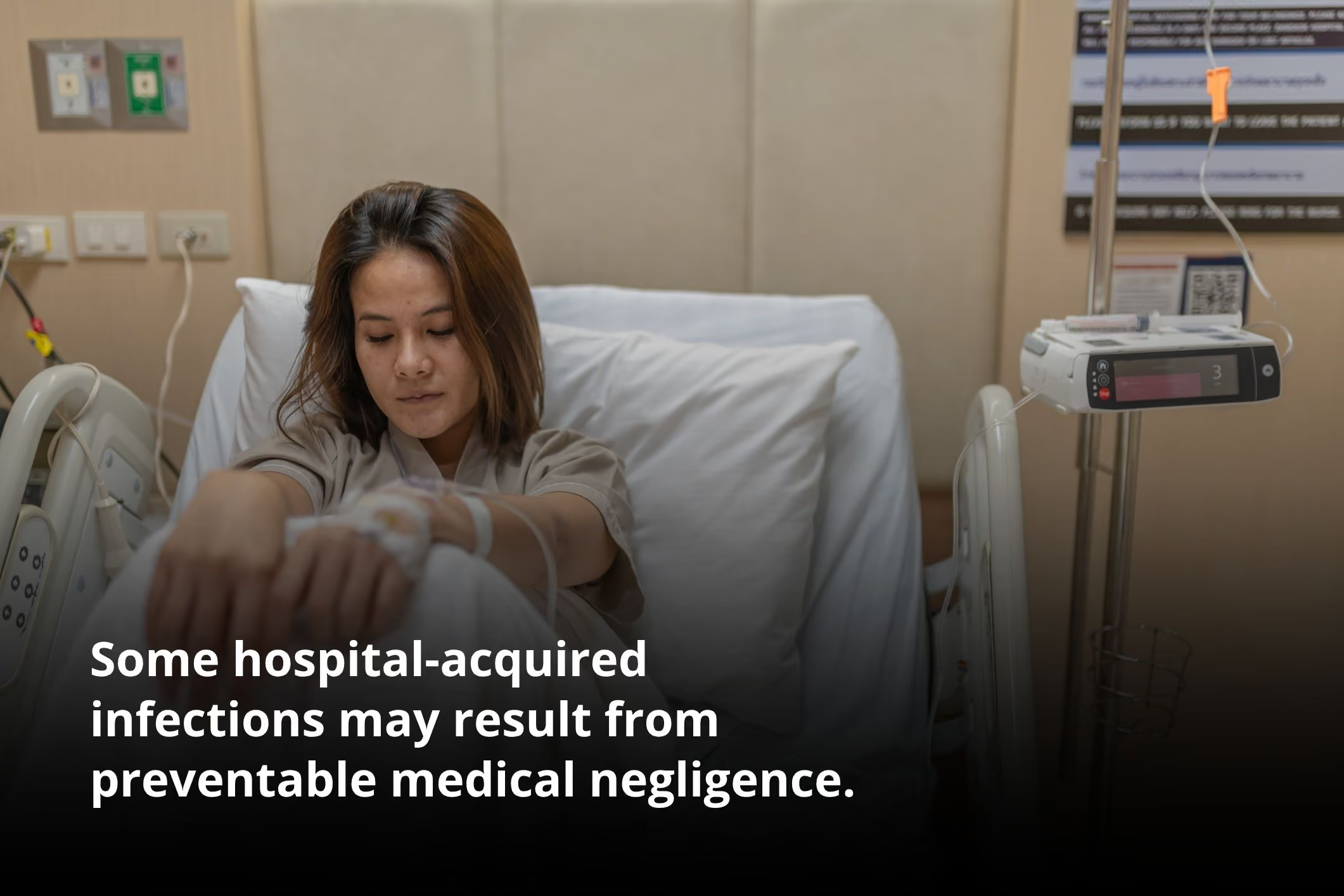





You went to the hospital to get better, not to leave with a serious infection.
Days after surgery or another procedure, you may have developed a fever, increasing pain, redness around your incision, or symptoms serious enough to send you back to the emergency room. Instead of recovering, you're facing additional treatment, mounting medical bills, and questions about whether the infection could have been prevented.

Whether you received care at Hoag Hospital Irvine, Kaiser Permanente Irvine Medical Center, UCI Health – Irvine, or another Irvine healthcare facility, you trusted your healthcare team to follow accepted infection-control practices. When those standards aren't met, preventable infections can cause serious harm.
If you or a loved one developed a preventable infection after receiving medical care, an Irvine hospital infection lawyer at Hodes Milman can help determine what happened and whether negligence played a role.
Call (949) 640-8222 or contact us online for a free case review.
"Top notch, professional legal team; Integrity and honesty throughout the whole process; I am thankful for my referral to Hodes Milman LLP; I would absolutely refer them to anyone seeking a legal team experienced in medical malpractice."
— Jill P., Verified Client Testimonial
What Are Hospital-Acquired Infections (HAIs)?
Hospital-acquired infections, also called healthcare-associated infections (HAIs), are infections that develop while receiving medical care or shortly after leaving a hospital or healthcare facility.
They may occur after surgery, during treatment involving catheters or intravenous lines, or while recovering from another illness or injury.
Patients receiving care at Irvine hospitals and outpatient surgical centers expect established infection-control procedures to be followed. While many hospital-acquired infections respond to prompt treatment, others can lead to additional surgeries, lengthy hospital stays, permanent injuries, or life-threatening complications.
Common hospital-acquired infections include:
- Surgical Site Infections (SSIs): Infections that develop around a surgical incision.
- MRSA: A drug-resistant bacterial infection.
- C. diff: A serious intestinal infection.
- CAUTIs: Infections linked to urinary catheters.
- CLABSIs: Bloodstream infections involving central lines.
- VAP: Pneumonia associated with mechanical ventilation.
- Sepsis: A life-threatening response to infection.
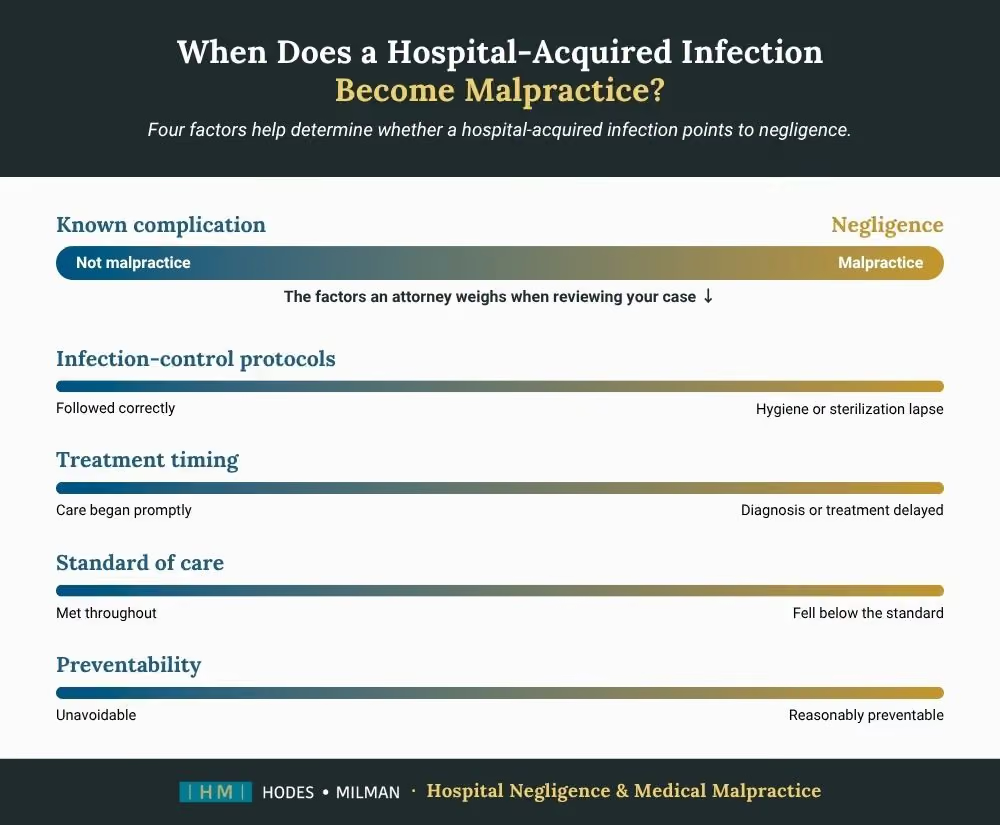
Not every hospital-acquired infection results from negligence. Hospitals care for patients with weakened immune systems, perform complex procedures, and treat serious medical conditions every day. Even when appropriate precautions are taken, some infections cannot be prevented.
Medical malpractice occurs when an infection develops or becomes significantly worse because healthcare providers failed to meet the accepted standard of care.
Examples of negligent care may include:
- Failing to wash or sanitize hands between patients
- Using improperly sterilized surgical instruments or medical equipment
- Delaying diagnostic testing after signs of infection appear
- Waiting too long to begin antibiotics
- Ignoring abnormal laboratory results or patient complaints
- Failing to isolate patients with contagious infections
- Providing inadequate wound care after surgery
For example, a patient recovering from knee replacement surgery may repeatedly report increasing pain, swelling, and warmth around the incision. If those warning signs are dismissed until the infection spreads into the bloodstream, the delay in treatment, not simply the infection itself, may become the focus of a malpractice claim.
Likewise, a patient treated at an Irvine hospital with a urinary catheter may develop a serious urinary tract infection after the catheter remains in place longer than medically necessary. If established safety protocols weren't followed, that infection may have been preventable.
Determining whether malpractice occurred requires reviewing medical records, treatment timelines, laboratory results, infection-control procedures, and expert medical opinions.
Causes of Hospital-Acquired Infections
Hospitals and surgical centers throughout Irvine follow detailed infection-control protocols designed to reduce the spread of bacteria, viruses, and other harmful pathogens. When those protocols aren't followed consistently, patients can develop preventable hospital-acquired infections.
Common causes include:
- Poor hand hygiene by healthcare providers
- Improperly sterilized surgical instruments or medical equipment
- Contaminated catheters, ventilators, or intravenous lines
- Delays in diagnosing or treating an infection
- Failure to isolate patients with contagious illnesses
- Inadequate cleaning of patient rooms or shared medical equipment
- Improper wound care following surgery
- Breakdowns in communication between members of the healthcare team
Preventable infections aren't always the result of one obvious mistake. A patient's dressing may not be changed as scheduled, abnormal lab results may go unaddressed, or antibiotics may not be started until the infection has already spread. When those breakdowns occur, the consequences can be life-changing.
Common Symptoms and Complications
Hospital-acquired infections don't always become apparent before you're discharged. Many Irvine patients begin experiencing symptoms after returning home, believing they were recovering normally until their condition suddenly changes.
Common symptoms include:
- Fever or chills
- Redness or swelling around a surgical incision
- Drainage from a wound
- Increasing pain
- Difficulty breathing
- Severe diarrhea
- Confusion, particularly in older adults
- Persistent fatigue or weakness
Without prompt treatment, hospital-acquired infections can lead to:
- Sepsis
- Organ damage
- Additional surgeries
- Extended hospitalization
- Permanent disability
- Amputation
- Wrongful death
Who Can Be Held Liable?
The answer depends on how the infection developed.
Whether the care occurred at a large Irvine hospital, an outpatient surgery center, or another healthcare facility serving Orange County, multiple parties may share responsibility for a preventable infection.
Potentially liable parties include:
Hospitals
Hospitals are responsible for maintaining infection-control policies, training staff, providing sterile environments, and protecting patient safety. Failures in these areas may contribute to preventable infections.
Physicians
Doctors may be liable if they fail to recognize developing infections, delay diagnostic testing, prescribe inappropriate treatment, or ignore symptoms requiring immediate attention.
Nurses
Nurses monitor patients, document changes in condition, administer medications, and provide wound care. Breakdowns in these responsibilities may contribute to an avoidable infection.
Surgical Teams
Surgeons and operating room staff are responsible for maintaining sterile conditions throughout a procedure. Errors involving sterile technique or delayed recognition of post-operative infections may increase a patient's risk.
Third-Party Contractors
Outside companies responsible for sterilizing equipment, maintaining medical devices, or providing environmental cleaning services may also share liability if their negligence contributed to unsafe conditions.
If you developed a serious infection after treatment at an Irvine hospital or surgical center, determining where the standard of care broke down often requires a detailed investigation.
Contact Hodes Milman at (949) 640-8222 for a free consultation with a top-rated Irvine hospital infection attorney.
Compensation Available
A preventable hospital-acquired infection can leave Irvine patients and their families facing financial, physical, and emotional challenges long after they leave the hospital.
Depending on the circumstances, compensation may include:
- Past and future medical expenses
- Additional surgeries and hospitalization
- Rehabilitation and prescription medications
- Lost wages
- Reduced future earning capacity
- Pain and suffering
- Emotional distress
- Loss of enjoyment of life
- Wrongful death damages, when applicable
Recovery often extends beyond the original hospitalization, creating medical expenses, lost income, and ongoing care needs that many families never anticipated.
A nationwide survey found that people represented by attorneys recovered substantially more compensation, on average, than those who handled personal injury claims without legal representation.
For more than 40 years, Hodes Milman has represented patients throughout Irvine, Orange County, and California, recovering millions of dollars for people harmed by negligent healthcare providers.
"Hospitals have infection-control protocols because they know what's at stake. When those standards aren't followed and patients suffer preventable harm, healthcare providers should be held accountable."
— Jeffrey A. Milman, Founding Attorney | Hodes Milman
The Complexities of Medical Malpractice and Hospital-Acquired Infections
Hospital-acquired infection claims are medically complex because an infection alone isn't enough to establish negligence. The issue is whether the infection could have been prevented had healthcare providers met the accepted standard of care.
Determining this often requires:
- Reviewing medical records and treatment timelines
- Examining infection-control policies and procedures
- Analyzing laboratory results and physician documentation
- Consulting infectious disease specialists and other medical experts
Hospitals and their insurers frequently argue that an infection was an unavoidable complication rather than the result of negligent care. An experienced Irvine hospital-acquired infection lawyer understands how to evaluate those claims and determine whether preventable mistakes contributed to your injuries.
What to Do If You Suspect a Hospital Infection
If you believe you developed an infection during or shortly after a hospital stay, seek medical attention as soon as possible. Early diagnosis and treatment can reduce the risk of serious complications.
You can also help protect a potential legal claim by:
- Following your doctor's treatment recommendations
- Keeping copies of your medical records, discharge instructions, and prescriptions
- Photographing visible signs of infection, when appropriate
- Saving receipts for medical expenses and other related costs
- Keeping a journal of your symptoms and recovery
- Speaking with an Irvine hospital infection lawyer before accepting a settlement or providing a recorded statement
If you were treated at an Irvine hospital or surgical center, obtaining your medical records early can help preserve important information about your treatment and the progression of the infection.
How to Avoid Hospital Infections
While no patient can eliminate every risk, these steps may help reduce the chance of developing a hospital-acquired infection:
- Washing your hands regularly and encouraging visitors to do the same
- Asking healthcare providers whether they have washed or sanitized their hands before providing care
- Following wound-care instructions after surgery
- Keeping surgical incisions clean and dry as directed
- Reporting fever, increasing pain, redness, swelling, or drainage as soon as symptoms appear
- Asking questions if you don't understand your treatment or discharge instructions
Even when patients take every reasonable precaution, hospitals, physicians, nurses, and other healthcare providers remain responsible for following accepted infection-control standards.
How Long Do You Have to File a Hospital Infection Lawsuit?
California law limits the amount of time you have to file a medical malpractice lawsuit.
In many cases, patients have one year from the date they discovered, or reasonably should have discovered, the injury, but no more than three years from the date the malpractice occurred. Certain exceptions may apply depending on the circumstances.
Because these cases require extensive investigation and expert review, it's important to speak with an Irvine hospital infection attorney as soon as possible.
How Can Hodes Milman Help?
At Hodes Milman, we conduct thorough investigations into hospital-acquired infection claims by reviewing medical records, consulting respected medical experts, analyzing infection-control practices, and identifying where the accepted standard of care may have been violated.
Our attorneys help clients by:
- Investigating how and when the infection developed
- Working with qualified medical experts to evaluate whether negligence occurred
- Identifying every healthcare provider or facility that may share responsibility
- Calculating both current and future damages
- Negotiating with hospitals and insurance companies while preparing every case for trial if necessary
For more than 40 years, Hodes Milman has represented patients throughout Irvine, Orange County, and California in complex medical malpractice cases. We understand the challenges these claims present and are committed to helping clients pursue accountability and the compensation they deserve.
Speak With an Irvine Hospital-Acquired Infection Lawyer
A preventable hospital-acquired infection can leave you facing additional surgeries, extended hospital stays, lost income, and months of recovery that could have been avoided.
If you or someone you love developed a serious infection after receiving treatment at an Irvine hospital or surgical center, Hodes Milman is ready to investigate what happened, explain your legal options, and fight for the compensation you deserve.
Call (949) 640-8222 today to speak with an Irvine hospital infection attorney at no cost.
%201.avif)

Dan Hodes treated me like a human being, not just another client. He showed me he cared by how hard he worked on my case.
My daughter was born with a disability due to doctor neglect. I emailed over 200 lawyers over a 2 year time span. I had ONE lawyer believe in my case and he worked with Jeff Milman over the next year helping build my case. Jeff won my case and I cannot thank him enough for believing in me!! He was so pleasant to work with and professional. I will forever be thankful to him and his team!
They are friendly and honest and fought for what they believed was best in our interest.
Frequently Asked Questions

Yes. Many hospital-acquired infections don't become apparent until days after discharge. If the infection can be linked to negligent care you received during your hospital stay, you may still have grounds for a medical malpractice claim.
No. Some infections occur despite appropriate medical care. A successful malpractice claim requires evidence that a healthcare provider failed to meet the accepted standard of care and that the failure contributed to the infection or made it worse.
Medical records, laboratory testing, treatment timelines, infection-control policies, and expert medical opinions all help establish whether accepted safety standards were followed and whether the infection could have been prevented.
Look for a law firm with extensive experience handling medical malpractice cases, access to qualified medical experts, and a proven record of results against hospitals and healthcare providers.
For more than 40 years, Hodes Milman has represented patients throughout Irvine, Orange County, and California in complex medical negligence cases. Our attorneys have recovered over $400 million of dollars for clients harmed by preventable medical errors and are prepared to advocate for you and your family.
Proudly Representing California Residents
Your life changed in an instant. Getting justice shouldn’t wait. Connect with Hodes Milman today and put a proven team to work on your case.