California Stroke Misdiagnosis Lawyer
Take advantage of our free, private case review offer. Simply fill out the form or call us at (949) 640-8222 to schedule your consultation.
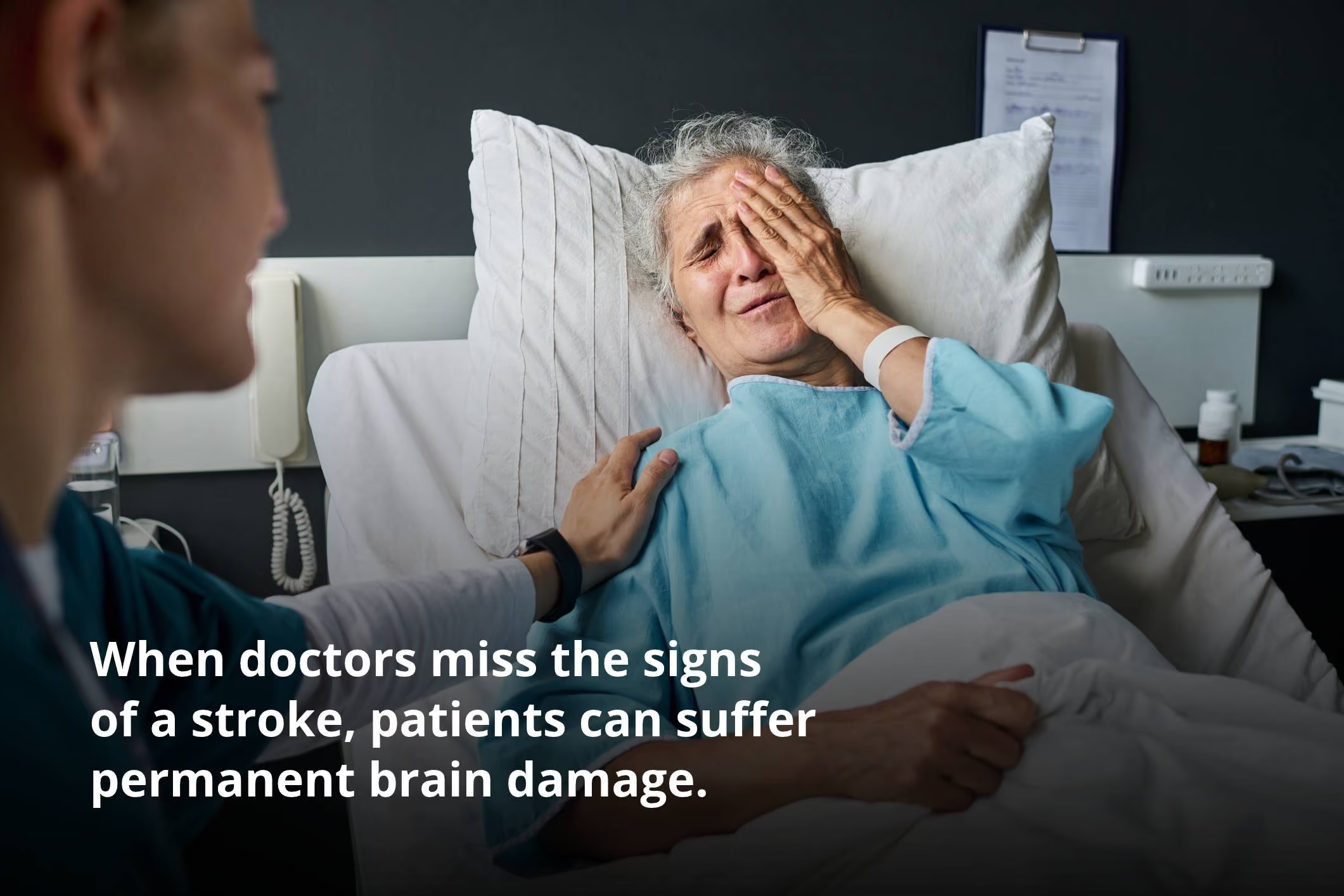



You went to the emergency room because something was wrong. Your speech was slurred, your arm felt weak, or you suddenly couldn't keep your balance. But instead of recognizing the signs of a stroke, the doctor diagnosed vertigo, a migraine, or another condition and sent you home.
Hours later, doctors confirmed you had suffered a stroke. By then, the delay had allowed additional brain damage, leaving you with injuries that earlier treatment could have prevented.
Hodes Milman has spent more than 30 years holding healthcare providers accountable for preventable medical injuries. We've recovered more than $200 million for injured patients and their families, including multimillion-dollar recoveries for catastrophic neurological damage.
When doctors fail to recognize a stroke or delay treatment, our attorneys fight for compensation that reflects the full extent of our clients' injuries, from lost income and rehabilitation costs to lifelong medical care.
If you or someone you love suffered permanent injuries because doctors missed a stroke, you deserve to know whether earlier treatment could have prevented the damage. Call (949) 640-8222 to speak with a California stroke misdiagnosis lawyer or contact us online for a free, confidential consultation.
What Is a Stroke Misdiagnosis?
A stroke occurs when blood flow to part of the brain is blocked or a blood vessel ruptures, depriving brain tissue of oxygen. Without immediate treatment, brain cells begin to die, and the resulting damage can become permanent.
There are two primary types:
- Ischemic stroke: A blood clot or blockage interrupts blood flow to the brain.
- Hemorrhagic stroke: A blood vessel ruptures, causing bleeding in or around the brain.
A transient ischemic attack (TIA), or mini-stroke, causes temporary stroke-like symptoms. Although the symptoms disappear, a TIA warns of an increased risk of a more serious stroke and needs immediate medical attention.
The Centers for Disease Control and Prevention identifies sudden weakness, facial drooping, difficulty speaking, vision changes, loss of balance, and severe headaches as warning signs. When healthcare providers mistake these symptoms for another condition, fail to order appropriate testing, or delay treatment, patients risk permanent injuries that earlier intervention could have prevented.
Common Medical Errors in Stroke Misdiagnosis Cases
Patients sometimes arrive at emergency departments complaining of dizziness, nausea, headaches, or difficulty walking. Doctors who attribute these symptoms to a less serious condition without ruling out a stroke risk sending patients home during a medical emergency.
Common errors include:
Mistaking Stroke Symptoms for Another Condition
Vertigo, migraines, anxiety, intoxication, and low blood sugar share symptoms with strokes. Settling on one of these diagnoses without an appropriate neurological examination risks missing a stroke, including in younger patients whose age leads doctors to dismiss the possibility.
Delaying CT Scans or MRIs
Brain imaging helps identify the type of stroke a patient has suffered. Delayed imaging, misinterpreted results, and failures to follow up on abnormal findings postpone treatment while brain damage progresses.
Failing to Recognize a Mini-Stroke
A patient whose weakness or slurred speech disappears might believe the emergency has passed. Discharging someone after a suspected TIA without appropriate testing or follow-up ignores a warning of a potentially more serious stroke.
Failing to Consult a Neurologist
Emergency physicians need to recognize when neurological consultation, additional imaging, or transfer to a stroke-capable facility is necessary. Delays risk closing the window for treatments available when the patient first arrived.
Missing the Window for Stroke Treatment
Certain patients with ischemic strokes qualify for clot-dissolving medication or mechanical thrombectomy. A missed diagnosis or unnecessary delay sometimes prevents treatment that would have reduced their injuries.
These errors are among the failures addressed in California medical misdiagnosis claims.
What Are the Consequences of a Stroke Misdiagnosis?
A patient who previously worked, drove, and lived independently might suddenly need assistance getting dressed, preparing meals, or communicating with loved ones. Families find themselves rearranging their lives around rehabilitation appointments, caregiving, and medical expenses.
Long-term injuries include:
- Paralysis and muscle weakness: Loss of movement or strength, usually affecting one side of the body.
- Speech and language difficulties: Problems speaking, understanding conversations, reading, or writing.
- Cognitive impairment: Memory loss, reduced concentration, and difficulty making decisions.
- Swallowing difficulties: Problems eating and drinking safely.
- Emotional changes: Depression, anxiety, and personality changes following brain injury.
- Permanent disability: Neurological injuries resulting in lifelong treatment and daily assistance.
Returning to work becomes impossible for many stroke survivors. Rehabilitation, home modifications, and caregiving add financial pressure while families adjust to the patient's new limitations.
A stroke malpractice claim examines whether earlier treatment would have prevented or reduced those injuries.
Who Can Be Held Liable for Stroke Misdiagnosis?
Stroke care includes multiple healthcare professionals, from the physician who first examines the patient to the radiologist interpreting brain imaging. More than one provider could share responsibility for a missed diagnosis.
Those responsible include:
- Emergency room physicians who dismiss symptoms or discharge patients without appropriate testing.
- Neurologists who fail to recognize neurological abnormalities.
- Radiologists who misread imaging or fail to communicate significant findings.
- Primary care and urgent care providers who fail to refer patients for emergency evaluation.
- Hospitals and medical groups whose employees or communication failures contribute to diagnostic delays.
Under California law, a malpractice claim must show that a healthcare provider failed to meet accepted medical standards and caused additional injury.
Hodes Milman takes legal action against negligent physicians, medical groups, and hospitals throughout California, including cases of hospital negligence.
What Compensation Is Available in a Stroke Misdiagnosis Lawsuit?
A missed stroke diagnosis may result in permanent disabilities, lost income, and years of medical treatment. For patients needing rehabilitation, specialized equipment, or assistance with everyday activities, expenses quickly add up. When delayed treatment causes additional neurological damage, a lawsuit seeks compensation for those losses.
Economic damages cover:
- Hospitalization and follow-up medical treatment
- Physical, occupational, and speech therapy
- In-home nursing and long-term personal care
- Mobility equipment and home modifications
- Lost wages and reduced earning capacity
- Future medical expenses
Noneconomic damages address physical pain, emotional suffering, and loss of enjoyment of life.
California's Medical Injury Compensation Reform Act (MICRA) limits noneconomic damages in malpractice cases, with caps that have increased annually since 2023. Economic damages are not subject to those limits.
When a stroke misdiagnosis results in death, eligible family members also have the right to seek compensation through a wrongful death lawsuit.
Did Doctors Miss the Signs of Your Stroke?
You went to the hospital for help, but doctors dismissed your symptoms or sent you home with the wrong diagnosis. Now you're facing injuries that could have been less severe with timely treatment. Should the hospital be held responsible?
Hodes Milman can help you find out. Call (949) 640-8222 to discuss your case with a California misdiagnosed stroke lawyer or schedule a free case review.
Stroke-Related Medical Malpractice Results at Hodes Milman
Hodes Milman has secured significant recoveries for patients harmed by medical negligence, including cases resulting in strokes and permanent neurological injuries.
$6 Million Settlement: Stroke During an Aneurysm Procedure
A 51-year-old woman underwent a coiling and stent procedure for an intracerebral aneurysm. A guidewire perforated a branch of the middle cerebral artery, and the injury went unrecognized, causing a stroke and severe neurological impairment. Hodes Milman secured a $6 million settlement at mediation.
$1.25 Million Recovery: Stroke After Physicians Failed to Restart Medication
A 73-year-old woman suffered a stroke after physicians failed to restart Eliquis, a blood thinner paused for wrist fracture surgery. She subsequently needed intensive care, and the case concluded with a $1.25 million recovery.
What Is the Statute of Limitations for Stroke Misdiagnosis in California?
California gives most patients one year from discovering their injury or three years from the date of injury, whichever comes first, to file a medical malpractice lawsuit. California law recognizes exceptions for fraud, intentional concealment, foreign objects left inside a patient's body, and certain claims brought on behalf of minors.
Claims against public hospitals or government healthcare providers follow separate procedures, with shorter notice deadlines.
If your stroke went undiagnosed, your filing deadline will depend on when the injury occurred and when you discovered its connection to your medical care. Speaking with an attorney early gives you more time to protect your right to compensation.
How a California Stroke Misdiagnosis Lawyer Can Help
In a stroke misdiagnosis lawsuit, proving that doctors missed warning signs is only part of the case. You also need to show that the delay caused additional brain damage or worsened your injuries.
Hospitals and insurers sometimes argue that the injuries would have occurred regardless of when treatment began. Hodes Milman's attorneys challenge those arguments using medical records, imaging studies, treatment timelines, and medical testimony.
Our attorneys examine the decisions that delayed the diagnosis and work to prove how earlier treatment would have reduced the patient's injuries. This includes:
- Obtaining medical records: Gathering emergency records, CT scans, MRI studies, physician notes, and discharge instructions.
- Identifying negligent decisions: Examining when warning signs appeared and how providers responded.
- Establishing the additional injury: Using medical testimony to assess whether earlier treatment would have reduced the damage.
- Documenting financial losses: Calculating rehabilitation expenses, lost earnings, and future care needs.
- Seeking compensation: Negotiating with insurers and preparing cases for litigation or trial.
For patients with permanent disabilities, the lawsuit also addresses medical treatment, personal care, and financial support needed throughout their lives.
Why Choose Hodes Milman for a Stroke Misdiagnosis Case?
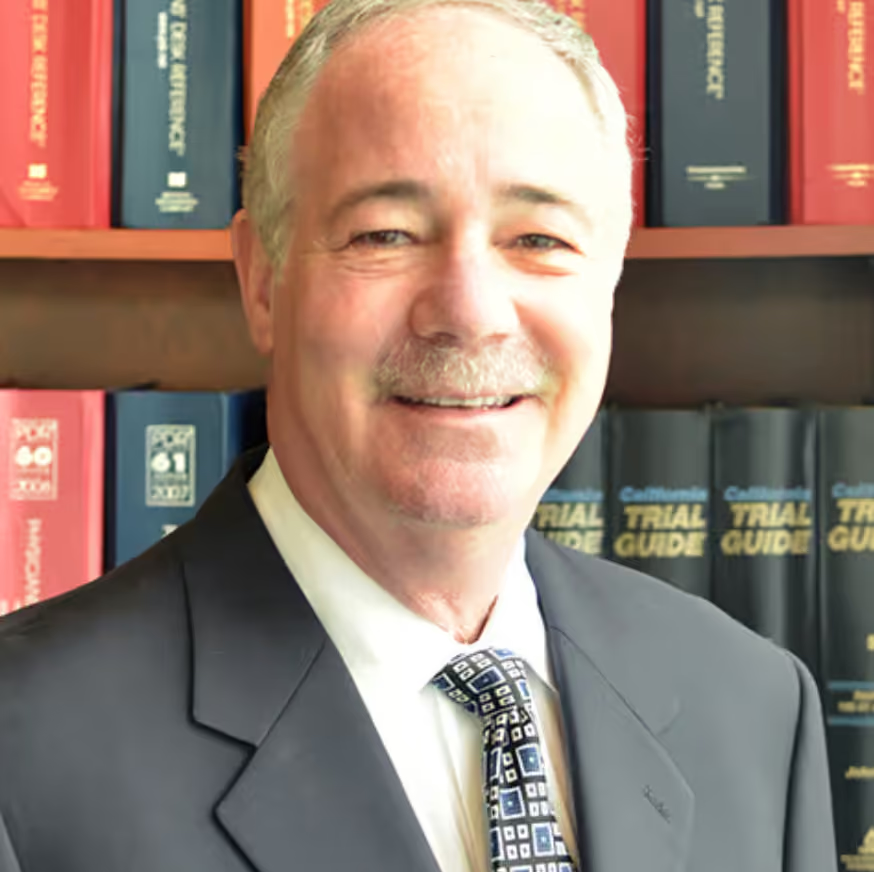
Hodes Milman has spent more than 30 years fighting for California patients injured by medical negligence, recovering over $200 million in verdicts and settlements. Led by trial attorneys Daniel Hodes and Jeffrey Milman, the firm has taken on hospitals, physicians, and major healthcare systems in cases ranging from missed diagnoses to catastrophic neurological injuries.
For someone whose stroke went undiagnosed, that background means having attorneys who know how to challenge a hospital's version of events, address conflicting medical testimony, and fight for compensation when a preventable delay causes permanent disability.
As Jeffrey Milman explains:
"You're not just trusting a doctor, you're trusting the hospital that let that doctor treat you. When that trust is broken, you have every right to demand answers and accountability."
Hodes Milman helps patients and families throughout California seek accountability when medical mistakes cause devastating injuries.
Talk to a California Stroke Malpractice Lawyer Today
If a delayed stroke diagnosis caused permanent injuries, Hodes Milman will fight to recover compensation for your medical expenses, lost income, and future care.
There are no upfront attorney fees, and you pay nothing unless we recover compensation for you. Call (949) 640-8222 or contact our California stroke malpractice attorneys online to discuss your case.


Dan Hodes treated me like a human being, not just another client. He showed me he cared by how hard he worked on my case.
My daughter was born with a disability due to doctor neglect. I emailed over 200 lawyers over a 2 year time span. I had ONE lawyer believe in my case and he worked with Jeff Milman over the next year helping build my case. Jeff won my case and I cannot thank him enough for believing in me!! He was so pleasant to work with and professional. I will forever be thankful to him and his team!
They are friendly and honest and fought for what they believed was best in our interest.
Frequently Asked Questions About Stroke Misdiagnosis

Yes, if the emergency room failed to provide appropriate care and the delay caused additional injury. Medical records and expert testimony help show whether timely treatment would have reduced the harm.
A mistaken diagnosis alone is insufficient to prove malpractice. However, ignoring neurological symptoms, failing to order testing, or discharging a patient without appropriate evaluation could support a claim.
A correct diagnosis does not excuse negligent treatment. Delays in medication, specialist consultations, or emergency transfers also support malpractice claims when they cause additional injury.
Medical records, ambulance reports, CT and MRI images, neurological examinations, and treatment notes help establish what happened. Medical experts assess whether earlier treatment would have reduced the patient's injuries.
Proudly Representing California Residents
Your life changed in an instant. Getting justice shouldn’t wait. Connect with Hodes Milman today and put a proven team to work on your case.