
Can Emergency Room Triage Errors Lead to a Malpractice Claim?
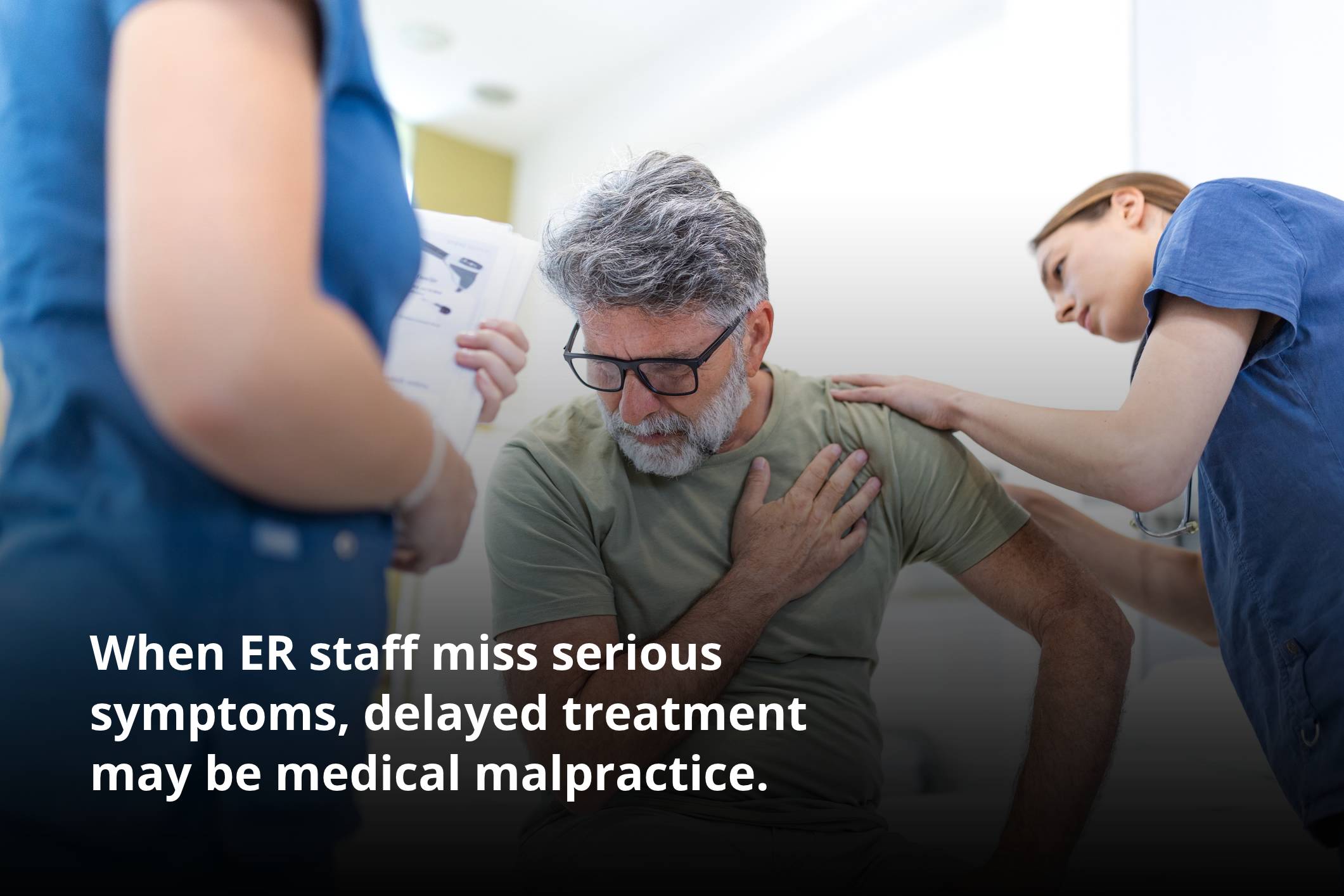
When you arrive at an emergency room, one of the first decisions medical staff make is how urgently you need treatment. That decision determines how quickly you're evaluated by a doctor, undergo testing, and receive medical care.
But what happens when the triage nurse gets it wrong?
A patient experiencing a medical emergency might be classified as low priority, left waiting for hours, or sent back to the waiting room despite worsening symptoms. By the time the mistake is discovered, valuable treatment time has been lost.
Can ER triage errors lead to a malpractice claim? Yes, if a hospital's failure to recognize serious warning signs or respond to a patient's deteriorating condition causes preventable injuries.
At Hodes Milman, we investigate emergency room negligence and delayed treatment claims. If you or a loved one suffered serious injuries after waiting for emergency care, call (949) 640-8222 or contact us online for a free consultation.
What Is Emergency Room Triage?
Triage is the process emergency departments use to determine which patients need treatment first. A triage nurse assesses the patient's symptoms, vital signs, medical history, and overall condition before assigning a level of urgency.
Many emergency departments use the five-level Emergency Severity Index (ESI):
- Level 1: Life-threatening emergencies needing immediate lifesaving treatment, such as cardiac arrest.
- Level 2: High-risk conditions needing rapid evaluation, including suspected stroke or heart attack.
- Level 3: Stable patients expected to need multiple diagnostic tests or treatments.
- Level 4: Less urgent conditions expected to need one diagnostic or treatment resource.
- Level 5: Minor conditions expected to need no diagnostic or treatment resources.
A patient with a broken finger will likely wait longer than someone experiencing signs of a stroke. That's how triage is intended to work.
Problems develop when a patient with a serious medical condition receives an inappropriate triage classification or deteriorates while waiting without reassessment.
What Are the Most Common Emergency Room Triage Errors?
Triage mistakes occur when medical staff fail to recognize a patient's condition, assign an inappropriate urgency level, or respond to worsening symptoms.
Common examples include:
- Incorrect triage classification: A patient experiencing heart attack symptoms is classified as low priority despite warning signs of a cardiac emergency.
- Failure to recognize stroke symptoms: Sudden confusion, dizziness, weakness, or speech difficulties are mistaken for less serious conditions.
- Incomplete vital sign assessment: Staff fail to obtain or properly evaluate blood pressure, oxygen saturation, heart rate, or other critical measurements.
- Failure to reassess waiting patients: Someone develops new symptoms or deteriorates in the waiting room without another medical evaluation.
- Poor communication: Important symptoms or abnormal findings aren't communicated to the treating physician.
- Ignoring high-risk medical histories: Staff dismiss symptoms without adequately evaluating existing heart disease, diabetes, or other conditions that increase the risk of a medical emergency.
These errors are dangerous because the patient's initial triage classification often determines how quickly they receive diagnostic testing and treatment.
What Happens When Emergency Room Triage Goes Wrong?
A triage error can delay the diagnosis of a life-threatening condition. In medical emergencies, even a relatively short delay can affect the patient's chances of recovery.
Several conditions need prompt evaluation:
- Heart attack: Delayed recognition and treatment can allow additional heart muscle damage.
- Stroke: Delays can prevent eligible patients from receiving time-sensitive treatment, increasing the risk of permanent neurological damage.
- Sepsis: An untreated infection can progress to organ failure and septic shock.
- Internal bleeding: Failure to recognize blood loss can lead to shock and life-threatening complications.
- Ectopic pregnancy: A ruptured ectopic pregnancy can cause severe internal bleeding and needs emergency treatment.
For example, a patient arrives with severe abdominal pain, dizziness, and low blood pressure. The triage nurse records the symptoms but assigns a low urgency level. Hours later, doctors discover internal bleeding from a ruptured ectopic pregnancy.
An investigation would review the patient's symptoms and vital signs at arrival, the triage decision, and how the delay affected the injury.
When Is an Emergency Room Triage Error Medical Malpractice?
An unfavorable medical outcome isn't proof of malpractice. Emergency departments handle unpredictable situations, and patients sometimes deteriorate despite appropriate care.
Patients frequently ask, can emergency room triage errors lead to a malpractice claim if their condition worsened while they waited? The answer rests on the medical team's decisions and the injuries caused by delayed care.
A medical malpractice claim must establish that a healthcare provider failed to meet the accepted standard of care and that the failure caused an injury.
In an emergency room triage case, investigators look at:
- The initial assessment: Did the nurse document the patient's symptoms, vital signs, and medical history?
- The urgency classification: Was the assigned triage level appropriate for the patient's condition?
- The waiting period: Did staff monitor the patient and respond to changes in their condition?
- The treatment delay: Would an appropriate triage assessment have resulted in earlier testing or treatment?
- The resulting injury: Did the delay cause additional harm that timely medical care would likely have prevented?
A hospital isn't liable solely because a patient waited several hours. The issue is if the patient needed faster evaluation under accepted medical standards and suffered an injury because that care was delayed.
Were you seriously injured after emergency room staff failed to recognize your symptoms or delayed treatment? Hodes Milman investigates hospital negligence and medical errors that cause permanent injuries. Call (949) 640-8222 for a free consultation.
Who Is Responsible for an Emergency Room Triage Mistake?
Responsibility for a triage error often begins with the nurse who performed the initial assessment, but other healthcare providers and the hospital may share liability.
Potentially responsible parties include:
- Triage nurses: For failing to recognize serious symptoms, recording inaccurate information, or assigning an inappropriate urgency level.
- Emergency physicians: For failing to respond to reported warning signs or delaying necessary diagnostic testing.
- Hospitals: For unsafe triage procedures, inadequate staffing, insufficient training, or failures in patient monitoring.
For example, if a nurse documents dangerously low oxygen levels but the physician isn't notified, investigators would review the communication process and the responsibilities of the staff involved.
The California misdiagnosis lawyers at Hodes Milman investigate failures throughout emergency care, from the initial assessment through diagnosis and treatment.
What Evidence Is Needed to Prove an ER Triage Malpractice Claim?
Emergency department records are critical because they document what hospital staff knew about the patient's condition and when they knew it.
Important evidence includes:
- Triage notes and assigned urgency levels
- Initial and subsequent vital sign readings
- Emergency department arrival and treatment timestamps
- Nursing assessments and physician notes
- Laboratory results and diagnostic imaging
- Medication orders and administration records
- Hospital policies for triage and reassessment
- Records documenting the patient's injuries and subsequent treatment
The timeline is important. If a patient arrived at 2 p.m. with chest pain and abnormal vital signs but didn't receive an electrocardiogram until 5 p.m., medical experts would review the initial assessment, the reasons for the delay, and the patient's condition during those three hours.
They would then determine if earlier intervention would likely have prevented or reduced the resulting heart damage.
What Compensation Is Available for an Emergency Room Triage Error?
When delayed emergency treatment causes permanent injuries, patients and families face extensive medical expenses, lost income, and long-term care needs.
A successful malpractice claim may provide compensation for:
- Additional hospitalization and medical treatment
- Rehabilitation and physical therapy
- Lost wages and reduced earning capacity
- Long-term nursing or in-home assistance
- Medical equipment and home modifications
- Physical pain and emotional suffering, subject to California law
If a patient dies because of negligent emergency care, surviving family members may have grounds for a wrongful death claim.
Compensation is based on the medical evidence, the injuries caused by the delay, and applicable California damages laws.
Injured Because of an Emergency Room Triage Error? Contact Hodes Milman
Patients go to the emergency room because they need medical care. When hospital staff miss serious warning signs or fail to respond to a deteriorating condition, patients lose valuable treatment time.
Hodes Milman has recovered over $400 million for clients harmed by negligence, including patients and families affected by serious medical errors. Our team investigates hospital negligence, delayed diagnoses, and failures in emergency medical care.
If you or a loved one suffered serious injuries after an emergency room triage mistake, call (949) 640-8222 or contact Hodes Milman online for a free consultation.








Dan Hodes treated me like a human being, not just another client. He showed me he cared by how hard he worked on my case.
My daughter was born with a disability due to doctor neglect. I emailed over 200 lawyers over a 2 year time span. I had ONE lawyer believe in my case and he worked with Jeff Milman over the next year helping build my case. Jeff won my case and I cannot thank him enough for believing in me!! He was so pleasant to work with and professional. I will forever be thankful to him and his team!
They are friendly and honest and fought for what they believed was best in our interest.
Proudly Representing California Residents
Your life changed in an instant. Getting justice shouldn’t wait. Connect with Hodes Milman today and put a proven team to work on your case.