What Is the Connection Between Breast Density and Cancer Risk?
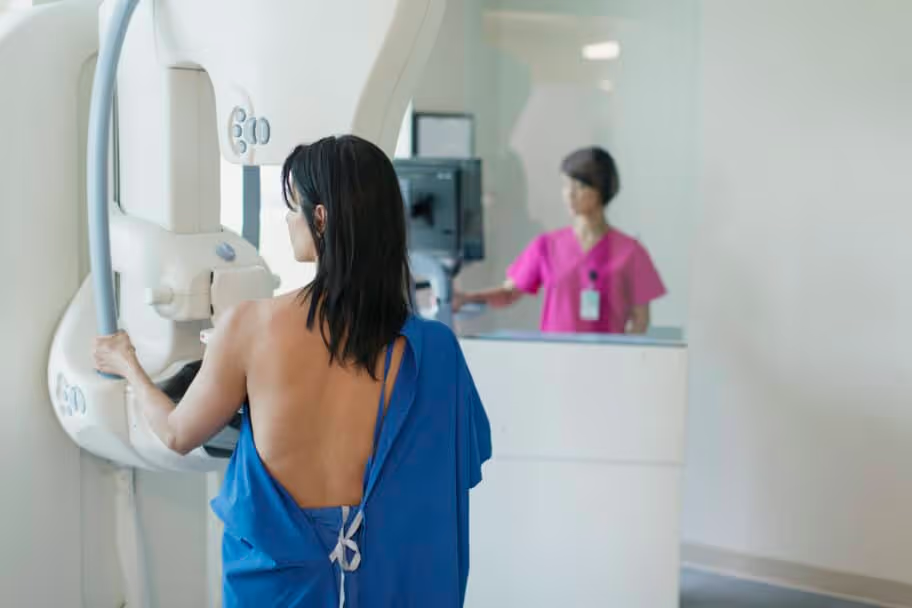
Dense breast tissue may increase the likelihood of developing breast cancer. Breast density may also hide or obscure the early signs of cancer, leading to delayed or misdiagnosis.
Developing research shows that breast density is a stronger predictor for breast cancer than most known risk factors, including family history. Being aware of this can help you and your doctor take steps to prevent cancer (as with a proactive double mastectomy), or carefully monitor for early signs of cancer before it can spread. The more researchers learn, the more diagnostic procedures improve.
However, if you have already suffered from a misdiagnosis due to breast tissue density or other factors, you may have grounds to sue for compensation. Funds from a settlement could help you afford the cancer treatments you need, and potentially help save your life.
Our medical malpractice and misdiagnosis attorneys at Hodes Milman have proven case results for patients and their families. If you need to speak to an experienced attorney, contact our California offices at (949) 640-8222. To learn more about the connection between breast density and cancer risk, read on.
Breast Density and Breast Cancer Risk: Definitions
Here is how researchers and physicians describe the connection between breast density and breast cancer risk:
- Breast density: Breast density is a term that describes the relative amount of glandular tissue and fibrous connective tissue as seen on a mammogram.
- Breast cancer: Breast cancer is a disease in which cells in the breast grow out of control. There are different kinds of breast cancer depending on which cells in the breast turn into cancer. Breast cancer can affect both men and women, but it is more common in women.
- The connection risk: Having dense breasts affects patients by both increasing the risk of developing breast cancer, and the chances that breast cancer may go undetected by a mammogram, since dense breast tissue can mask potential cancer.
Undetected cancers can lead to delayed care and/or misdiagnosis. Though doctors aren't yet certain why dense breast tissue increases your risk of breast cancer, the implications outlined by the Mayo Clinic are clear: up to 50% of women undergoing mammograms will have high breast density. Thus, primary care physicians must consider the association between breast density and breast cancer risk when screening and counseling patients with dense breasts.
New Research: Breast Density and Risk of Breast Cancer
A new study published in the Journal of the American Medical Association (JAMA) has found that many women are unaware of the breast density risk factor, and how they can best help reduce their breast cancer risk.
High breast density may increase breast cancer risk by 1.2 to 4 times, whereas having a close relative with breast cancer doubles the risk. If people are unaware that breast density is a risk factor twice as dangerous as a family history of cancer, they are losing the window to be proactive and preventative with a potentially fatal disease.
It is well-known among the general population that the hereditary risk of certain cancers (including breast, stomach, bowel, and prostate cancers) can run in families. This leads to healthy preemptive actions including regular cancer screenings and specific lifestyle choices. For instance, those with a family history of lung cancer may avoid smoking, just as those with a predisposition to diabetes may avoid sugar and test for pre-diabetes conditions regularly.
High breast density could be included as a possible predisposition to breast cancer. It should be noted as a significant risk factor, and considered in conjunction with other similar risk factors.
High breast density may be twice as dangerous for breast cancer development as having a family history of the disease. If you were misdiagnosed or experienced a delay in breast cancer diagnosis because a physician, clinic, or hospital failed to properly assess these risk factors, contact Hodes Milman at (949) 640-8222 to discuss your legal options.
What Damages Are Available in a Cancer Misdiagnosis Lawsuit?
A cancer misdiagnosis lawsuit can cover potential damages like:
- Economic damages: These are the expenses incurred by the patient, such as medical bills, lost wages, and other costs related to the cancer misdiagnosis. These damages can be documented with items like invoices, receipts, and W-2 tax forms.
- Noneconomic damages: These are emotional losses suffered by the patient, such as pain and suffering, psychological distress, loss of enjoyment of life, and loss of marital or family cohesion. Your medical malpractice attorney may rely on character and expert witnesses to prove these damages to the court.
- Punitive damages: While somewhat rare, these are "punishment" damages that are charged in cases where a doctor's conduct was especially reckless or malicious. An example may be having a positive cancer result and willfully ignoring it. The punitive damages awarded to you are meant to punish the doctor and deter similar behavior in the future.
The amount of damages awarded in a cancer misdiagnosis lawsuit depends on many factors, such as the severity of the patient's condition, the impact of the misdiagnosis on their quality of life, and the degree of negligence or fault of the doctor. For a free legal consultation about your specific situation, contact Hodes Milman at (949) 640-8222.
Breast Cancer Misdiagnosis Results from Hodes Milman
Here are some of the breast cancer malpractice cases successfully handled by Hodes Milman:
- $1.55 million settlement for a 46-year-old woman whose breast cancer became incurable due to a delay in diagnosis.
- $699,000 settlement for a 58-year-old woman's delay in breast cancer diagnosis that reduced her chance of survival.
- $680,000 settlementfor a 59-year-old woman's surviving family after she lost her life due to breast cancer after a misread mammogram.
- $350,000 settlementfor a 59-year-old woman's surviving family after a condition that had an 80%-90% cure rate when promptly treated was not properly diagnosed and lead to her death.
- $325,000 settlement for a 50-year-old woman whose breast cancer delayed diagnosis led to having to undergo the extreme treatments of a double mastectomy, reconstructive surgeries, and chemotherapy.
Patients can sue for their own losses, and surviving family members can sue on their behalf for wrongful death if a missed or incorrect diagnosis leads to a loved one's passing.
Contact Medical Misdiagnosis Attorneys
One of the founding principles of medicine is informed consent, which states that a patient must have sufficient information and understanding before making decisions about their medical care. If your doctor isn't aware of breast density as a risk factor, or if they know and fail to inform you or properly screen you for cancer based on dense breast tissue, that may be considered medical malpractice.
It is important to spread awareness of the breast density risk factor for cancer, as studies indicated it's twice as dangerous as the genetic risk from a family history of breast cancer. It is also important that a delayed diagnosis or misdiagnosed of breast cancer is fully compensated. Knowing a patient's risk factor for cancer, or detecting it in the early stages, is literally a matter of life or death.
You can help spread awareness of the link between breast tissue density and cancer by sharing this article (blog URL) or clicking the social media buttons below. You can also contact the cancer misdiagnosis lawyers at Hodes Milman online or by phone at (949) 640-8222 to seek justice on behalf of yourself and your family. Holding doctors and clinics accountable for these potentially fatal mistakes helps raise the standard of medicine for us all.
%201.avif)





Dan Hodes treated me like a human being, not just another client. He showed me he cared by how hard he worked on my case.
My daughter was born with a disability due to doctor neglect. I emailed over 200 lawyers over a 2 year time span. I had ONE lawyer believe in my case and he worked with Jeff Milman over the next year helping build my case. Jeff won my case and I cannot thank him enough for believing in me!! He was so pleasant to work with and professional. I will forever be thankful to him and his team!
They are friendly and honest and fought for what they believed was best in our interest.
Proudly Representing California Residents
Your life changed in an instant. Getting justice shouldn’t wait. Connect with Hodes Milman today and put a proven team to work on your case.