
5 Most Common Errors in Radiology that Can Lead to Misdiagnosis
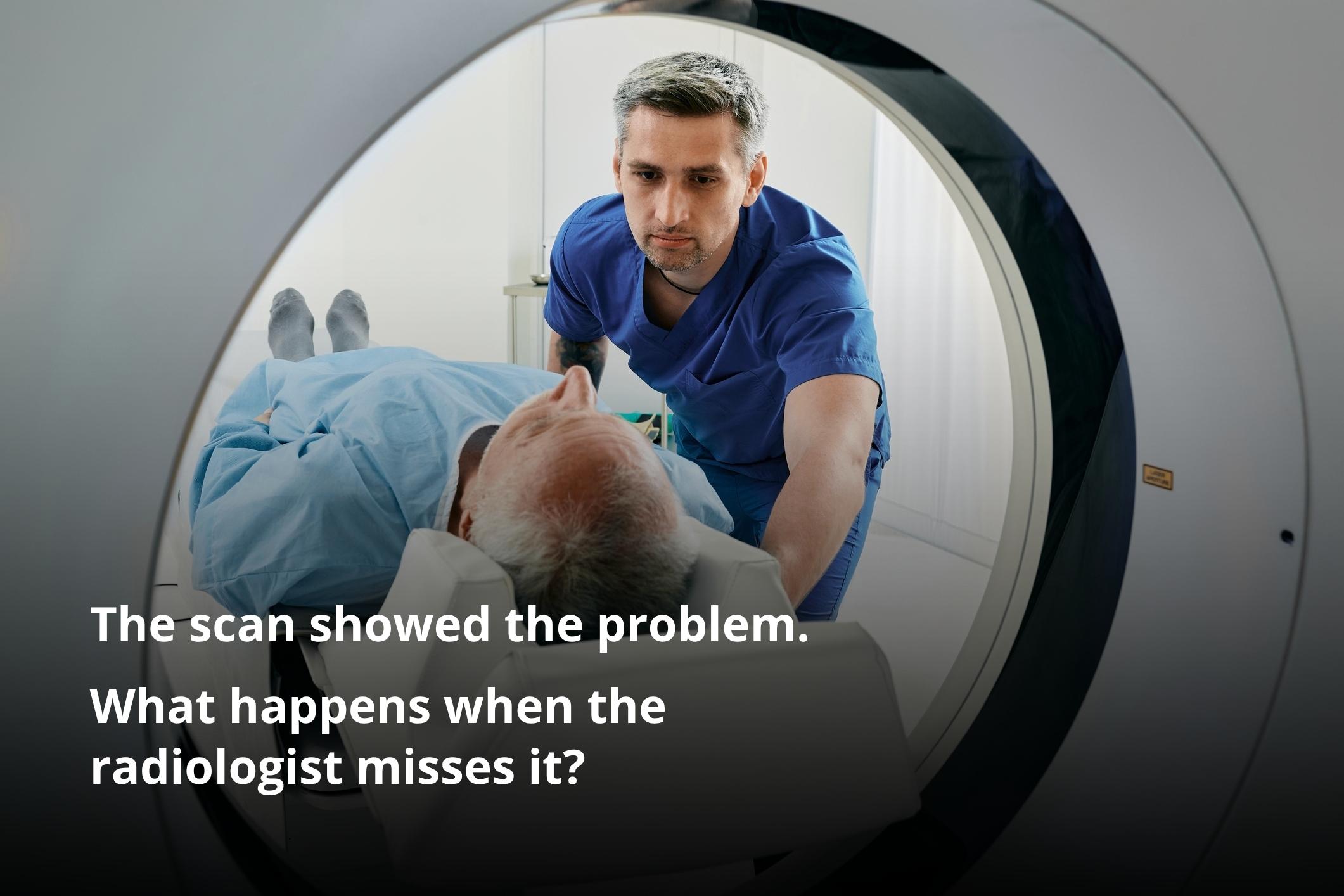
Radiology plays a major role in diagnosing everything from broken bones and internal bleeding to cancer, strokes, and neurological conditions. But getting the scan is only the beginning. Someone still has to identify what is there, interpret it correctly, and make sure significant findings receive the appropriate follow-up.
A radiology mistake can mean more than getting a diagnosis wrong. It can mean the cancer was already visible. The fracture was on the X-ray. The MRI showed the source of the neurological symptoms. No one caught it.
The 5 most common errors in radiology show how a scan can be performed and still fail to give a patient the diagnosis they need. Here’s where things can go wrong.
If a radiology error delayed your diagnosis, Hodes Milman has decades of experience handling complex medical malpractice claims. Call (949) 640-8222 for a free consultation to discuss what happened and whether the imaging or follow-up care contributed to your injury.
1. Missing an Abnormality That Is Visible on the Scan
The abnormality is there. The radiologist simply fails to see it.
That missed finding might be a lung nodule on a CT scan, a suspicious area on a mammogram, a fracture on an X-ray, or evidence of a stroke. If it never makes it into the radiology report, the doctor treating the patient may have no reason to order more testing or start treatment.
Hodes Milman saw the consequences of this type of error in a case involving an MRI that was read as normal despite a herniated thoracic disc. The patient was diagnosed with multiple sclerosis and suffered permanent neurological damage before the correct diagnosis was made. The case resolved for $1.3 million.
A 2025 RadioGraphics review of radiology malpractice found that misdiagnosis was the most common serious malpractice allegation involving radiologists. The authors reported that 80% of diagnosis-related claims stemmed from misinterpretation, with perceptual oversights accounting for most of those cases.
2. Seeing the Abnormality but Interpreting It Incorrectly
Sometimes the radiologist sees something unusual and gets the diagnosis wrong.
A suspicious mass may be labeled benign. Changes on a mammogram may be considered non-concerning. A fracture may be mistaken for normal anatomy. That can mean no biopsy, specialist referral, additional imaging, or treatment for the wrong condition.
Incorrect interpretations are especially concerning when imaging is being used to detect cancer. In breast cancer misdiagnosis cases, the dispute may center on whether an earlier mammogram showed suspicious changes that should have led to additional imaging, testing, or a biopsy.
3. Finding One Problem and Missing Another
A scan can answer the question that brought a patient in while revealing something else that needs attention.
A radiologist reviewing images after an accident might identify one fracture and overlook another. A CT ordered for abdominal pain might show the source of the pain along with an unrelated mass that also needs further testing.
This type of mistake is sometimes called “satisfaction of search.” Once one abnormality has been identified, another can receive less attention or be overlooked. A 2024 review of errors in radiology published in the Journal of Clinical Medicine examined this and other perceptual and cognitive errors involved in image interpretation.
4. Failing to Review Prior Imaging or Medical Information
One scan may not look alarming on its own. Put it next to an older scan, and a change can become much easier to recognize.
A lung nodule may have grown. An area of breast tissue may look different from an earlier mammogram. Symptoms, medical history, and the reason for ordering the scan can also provide context for what appears on the images.
So, how often are radiologists wrong? There is no single error rate across every type of imaging and medical setting. Mistakes range from abnormalities that are never noticed to findings that are seen but interpreted incorrectly.
When a diagnosis comes months or years later, the earlier images can reveal whether signs of the condition were already present.
5. Failing to Communicate or Follow Up on a Significant Finding
Sometimes the radiologist gets it right. The report identifies the abnormality, but the patient still never receives the follow-up it calls for.
A report may recommend another scan, biopsy, specialist evaluation, or immediate attention. If no one acts on that recommendation, the patient can lose an opportunity for earlier treatment.
The 2025 RadioGraphics review identified communication failures involving actionable abnormalities as the second most common type of error alleged in radiology malpractice claims.
Communication problems can become harder to untangle when several physicians, departments, or facilities are involved in the patient's care. This can also become an issue in medical malpractice claims involving Kaiser, where imaging, referrals, follow-up, and treatment may involve several providers within the same health system.
If an earlier radiology report recommended follow-up you never received, call Hodes Milman at (949) 640-8222. Our attorneys can investigate what happened after the results were reported.
When Does a Radiology Error Become Medical Malpractice?
Finding out that something was missed on an earlier scan can be infuriating, especially if you are now facing more aggressive treatment, permanent injury, or a worse prognosis.
But seeing the abnormality in hindsight does not answer whether malpractice occurred. The original scan has to be evaluated based on what a reasonably careful radiologist should have recognized when it was taken.
A medical misdiagnosis claim also has to connect the error to the patient's harm. Would diagnosing cancer earlier have changed the treatment or prognosis? Did a missed spinal condition cause permanent nerve damage during the delay?
Medical experts can review the images, reports, prior studies, and later diagnosis to evaluate the care the patient received.
What if Another Doctor Finds Something on Your Old Scan?
If a doctor tells you that your condition was visible on an earlier scan, get copies of the actual images as well as the written reports. The report tells you what the radiologist documented. The images show what was available to be interpreted.
Records surrounding the later diagnosis can establish when the condition was identified, how it had progressed, and what treatment became necessary.
An attorney handling medical malpractice cases can work with medical experts to review the studies and determine whether the earlier interpretation met the standard of care.
The Scan Was Done. Should the Diagnosis Have Been Made Sooner?
The 5 most common errors in radiology can delay a diagnosis even after the testing intended to find the problem has been performed. Finding out that an earlier scan contained signs of your condition can leave you wondering how different your treatment or outcome might have been if someone had caught it.
Founding partner Daniel Hodes has spent nearly 40 years handling medical malpractice cases, including claims involving serious diagnostic errors.
If you were diagnosed with a condition that appeared on an earlier scan, call Hodes Milman at (949) 640-8222 or reach out to us online for a free case review. We can review the imaging, reports, and medical records to determine whether a radiology error delayed treatment and caused additional harm.
%201.avif)







Dan Hodes treated me like a human being, not just another client. He showed me he cared by how hard he worked on my case.
My daughter was born with a disability due to doctor neglect. I emailed over 200 lawyers over a 2 year time span. I had ONE lawyer believe in my case and he worked with Jeff Milman over the next year helping build my case. Jeff won my case and I cannot thank him enough for believing in me!! He was so pleasant to work with and professional. I will forever be thankful to him and his team!
They are friendly and honest and fought for what they believed was best in our interest.
Proudly Representing California Residents
Your life changed in an instant. Getting justice shouldn’t wait. Connect with Hodes Milman today and put a proven team to work on your case.